
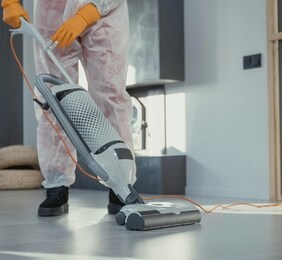
Bagless vacuum cleaners have revolutionized the way we approach household cleaning, offering a convenient and eco-friendly alternative to traditional bagged models. With their innovative designs and advanced technology, bagless vacuums eliminate the hassle of purchasing and replacing bags while providing powerful suction capabilities. As consumers become increasingly conscious of both efficiency and environmental impact, bagless vacuum cleaners have gained popularity, appealing to a wide range of users from busy families to pet owners.
This article explores the advantages and disadvantages of bagless vacuum cleaners, highlighting their features, performance, and maintenance needs. By understanding the various types available on the market and their respective functionalities, readers can make informed decisions about which model best suits their cleaning needs and lifestyle. Whether you are considering an upgrade or making a first-time purchase, our comprehensive guide aims to help you navigate the exciting world of bagless vacuum technology.
Advantages of Bagless Vacuum Cleaners
One of the primary advantages of bagless vacuum cleaners is their cost-effectiveness over time. Without the need for replacement bags, users can save money while also reducing waste, making them a more environmentally friendly choice. Additionally, many bagless models come equipped with advanced filtration systems that can trap dust and allergens, improving indoor air quality—an essential factor for allergy sufferers. The transparent dust containers also allow users to see when it’s time to empty, ensuring optimal performance and preventing any loss of suction due to a full container. For more information on the features and benefits, consider exploring options such as Bagless Vacuum Cleaners.
Disadvantages and Maintenance Considerations
Despite their benefits, bagless vacuum cleaners do have certain drawbacks. One common disadvantage is the maintenance required to keep them operating efficiently. The dust canister must be emptied regularly, and if not done carefully, can create a mess and release dust back into the air. Additionally, filters may need to be cleaned or replaced periodically, adding to the upkeep. Furthermore, while bagless models often provide strong suction, their performance can vary significantly between brands and models, making it crucial for consumers to choose wisely based on their specific cleaning needs.
In conclusion, bagless vacuum cleaners present a compelling option for modern households, combining convenience, cost-effectiveness, and enhanced cleaning performance. While they require a commitment to regular maintenance and careful handling during emptying, the benefits they offer—such as improved air quality and reduced waste—often outweigh the downsides. As technology continues to evolve, newer models are increasingly designed to address previous limitations, making them more accessible for a variety of users. Whether you’re tackling pet hair, managing allergies, or simply seeking a more efficient cleaning solution, a bagless vacuum cleaner can be an invaluable tool in maintaining a clean and healthy home environment.