
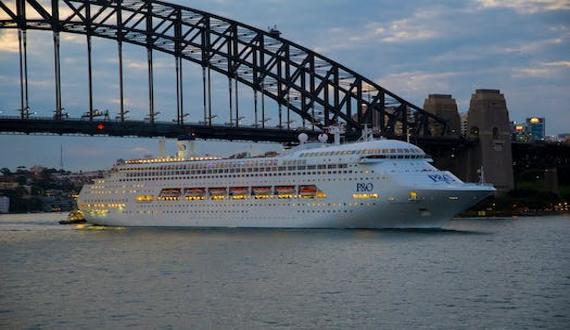
Cruise ship design plays a crucial role in providing a memorable and enjoyable experience for passengers while they explore the world’s seas and oceans. From luxurious amenities and state-of-the-art facilities to innovative technology and stunning architectural marvels, cruise ships are meticulously designed to cater to the needs and desires of their guests. Whether it’s a serene getaway to a tropical paradise or an adventurous journey to remote destinations, the design of a cruise ship is carefully crafted to create a seamless blend of comfort, entertainment, and safety.
Throughout the years, cruise ship design has evolved significantly, taking inspirations from various architectural styles and incorporating the latest advancements in engineering and technology. The designers strive to create visually stunning and functional spaces, integrating elements such as spacious cabins, elegant dining venues, vibrant entertainment areas, tranquil spas, and captivating outdoor decks. Every aspect of a cruise ship, from the layout of the public spaces to the arrangement of the cabins, is carefully planned to enhance the guest experience and create a sense of luxury and relaxation. Learn more here in this article delves into the fascinating world of cruise ship design, exploring the innovative features and design principles that contribute to the creation of these floating cities on the waters.`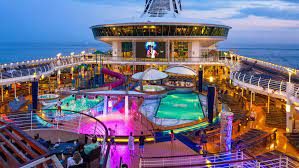
History of Cruise Ship Design
Cruise ships have come a long way since their humble beginnings in the mid-19th century. Originally used for transportation purposes, these vessels were designed with basic amenities and limited passenger accommodations. However, as the popularity of cruising grew, so did the demand for more luxurious and innovative ship designs.
Today, modern cruise ships are marvels of engineering and design. They feature state-of-the-art facilities and amenities, including spacious cabins, gourmet dining options, and entertainment venues. The evolution of cruise ship design has been driven by advancements in technology, as well as the desire to provide passengers with an unforgettable experience.
In recent years, cruise ship design has also focused on sustainability and environmental friendliness. Many cruise lines are incorporating energy-efficient technologies, such as advanced waste management systems and solar power generation, to reduce their carbon footprint and minimize harm to the marine environment. Additionally, cruise ship designers are exploring new design concepts, such as the introduction of hybrid propulsion systems and the use of alternative fuels, to further enhance the environmental performance of these floating cities. By prioritizing both guest satisfaction and environmental responsibility, cruise ship design continues to evolve, ensuring that future generations can enjoy the wonders of the seas while minimizing their impact on the planet.