
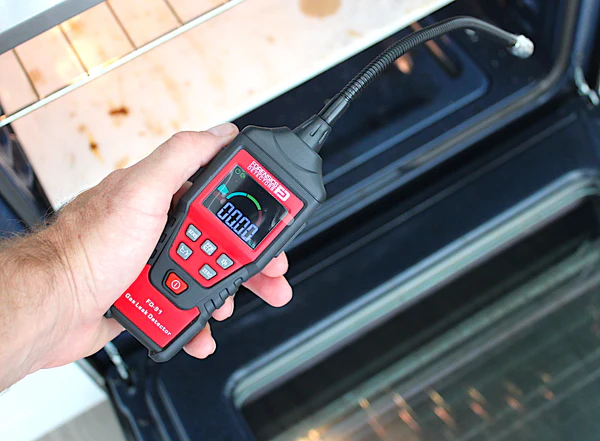
In recent years, the importance of safety in residential and commercial spaces has gained heightened attention, particularly when it comes to managing hazardous materials such as propane. Propane, a commonly used fuel for heating, cooking, and powering appliances, can be dangerous if not monitored properly due to its flammability and potential health risks. This is where a propane leak detector comes into play—an essential device designed to identify the presence of propane gas in the air, ensuring the safety of occupants while preventing potential disasters.

As technology continues to advance, propane leak detectors now come equipped with innovative features designed to enhance reliability and ease of use. From sensitivity adjustments to smartphone connectivity, these devices offer a comprehensive solution for detecting gas leaks promptly. In this article, we will explore the functionality, benefits, and best practices for utilizing propane leak detectors, enabling readers to make informed decisions to protect their homes and businesses from the hazards of propane leaks.

Key Features of Propane Leak Detectors

Propane leak detectors have evolved significantly, incorporating advanced technology to provide reliable monitoring in both residential and commercial environments. Many of today’s models feature digital displays that indicate gas concentration levels, allowing users to understand their safety status at a glance. Additional capabilities, such as adjustable sensitivity and audible alarms, enable immediate detection of even minor leaks. Furthermore, some units offer smartphone connectivity, enabling users to receive alerts and monitor conditions remotely, thus enhancing overall safety. Investing in the best propane leak detector can provide peace of mind, ensuring your living and working spaces are protected from the dangers of propane.

Best Practices for Propane Leak Detection

To maximize safety and effectiveness, it is vital to install propane leak detectors in key areas of your property, such as near propane appliances, on ceilings, or in areas where gas may accumulate. Regular maintenance, including tests and calibration of the detectors, will ensure accurate readings. Additionally, educating all occupants about the warning signs of a propane leak—such as a distinct odor, hissing sounds, or dead vegetation—can be critical for prompt response. By combining technology with proper practices, you can significantly mitigate the risks associated with propane gas usage, assuring a safer environment for all.

In conclusion, the implementation of propane leak detectors is a pivotal step in safeguarding both residential and commercial spaces from the potentially devastating consequences of gas leaks. By investing in a high-quality detector equipped with the latest technology, users can enjoy the benefits of quick detection, remote monitoring, and user-friendly features that enhance safety. However, relying solely on these devices is not enough; adhering to best practices for installation, maintenance, and education about the signs of a leak is equally essential to create a comprehensive safety strategy. Together, these measures will ensure that individuals and their families can live and work in environments that prioritize health, safety, and peace of mind concerning the use of propane.


RELATED ARTICLES

Best Propane Leak Detectors: Top Picks For Safety

In recent years, the importance of safety in residential and commercial spaces has gained heightened attention, particularly when it comes to managing hazardous materials such as propane. Propane, a commonly used fuel for heating, cooking, and powering appliances, can be dangerous if not monitored properly due to its flammability and potential health risks. This is where a propane leak detector comes into play—an essential device designed to identify the presence of propane gas in the air, ensuring the safety of occupants while preventing potential disasters. As technology continues to advance, propane leak detectors now come equipped with innovative features designed to enhance reliability and ease of use. From sensitivity adjustments to smartphone connectivity, these devices offer a comprehensive solution for detecting gas leaks promptly. In this article, we will explore the functionality, benefits, and best practices for utilizing propane leak detectors, enabling readers to make informed decisions to protect their homes and businesses from the hazards of propane leaks. Key Features of Propane Leak Detectors Propane leak detectors have evolved significantly, incorporating advanced technology to provide reliable monitoring in both residential and commercial environments. Many of today’s models feature digital displays that indicate gas concentration levels, allowing users to understand their safety status at a glance. Additional capabilities, such as adjustable sensitivity and audible alarms, enable immediate detection of even minor leaks. Furthermore, some units offer smartphone connectivity, enabling users to receive alerts and monitor conditions remotely, thus enhancing overall safety. Investing in the best propane leak detector can provide peace of mind, ensuring your living and working spaces are protected from the dangers of propane. Best Practices for Propane Leak Detection To maximize safety and effectiveness, it is vital to install propane leak detectors in key areas of your property, such as near propane appliances, on ceilings, or in areas where gas may accumulate. Regular maintenance, including tests and calibration of the detectors, will ensure accurate readings. Additionally, educating all occupants about the warning signs of a propane leak—such as a distinct odor, hissing sounds, or dead vegetation—can be critical for prompt response. By combining technology with proper practices, you can significantly mitigate the risks associated with propane gas usage, assuring a safer environment for all. In conclusion, the implementation of propane leak detectors is a pivotal step in safeguarding both residential and commercial spaces from the potentially devastating consequences of gas leaks. By investing in a high-quality detector equipped with the latest technology, users can enjoy the benefits of quick detection, remote monitoring, and user-friendly features that enhance safety. However, relying solely on these devices is not enough; adhering to best practices for installation, maintenance, and education about the signs of a leak is equally essential to create a comprehensive safety strategy. Together, these measures will ensure that individuals and their families can live and work in environments that prioritize health, safety, and peace of mind concerning the use of propane. Jessie GibsonView all posts by Jessie Gibson

Easy Guide To Selling Your Land: Tips And Insights

Selling land can be a rewarding yet complex endeavor, requiring a delicate balance of practical knowledge and strategic planning. Whether you are a seasoned real estate investor or a first-time seller, understanding the intricacies involved in the process is crucial to achieving a successful sale. From determining the right price and navigating legal considerations to marketing your property effectively, each step plays a vital role in maximizing your investment. In this article, we will delve into the ins and outs of selling your land, providing you with the insights and tools necessary to navigate this unique aspect of real estate. As potential buyers increasingly seek out land for various purposes—be it residential development, agriculture, or recreational use—having a solid grasp of the selling process can significantly enhance your chances of finding the right buyer. We will explore essential topics such as property valuation, zoning regulations, and effective marketing strategies, as well as common pitfalls to avoid. By equipping yourself with this knowledge, you can approach the sale of your land with confidence and clarity, ensuring that you achieve the best possible outcome from your transaction. Property Valuation and Pricing Strategies Determining the right price for your land is crucial in attracting potential buyers and facilitating a quick sale. Begin by researching comparable properties in the area to gauge market trends and set a competitive price point. Consider factors such as location, size, accessibility, and potential future developments that could influence value. Additionally, obtaining a formal appraisal can provide you with an expert’s assessment of what your land is worth, allowing you to make informed pricing decisions. For more information on navigating the complexities of pricing your land effectively, check out the detailed insights at https://www.terristeffes.com/2023/06/the-ins-and-outs-of-selling-your-land.html. Navigating Legal Considerations When selling land, it’s essential to be aware of the various legal considerations that can impact the transaction. Zoning regulations, land use restrictions, and any outstanding liens or easements must be thoroughly reviewed to ensure a smooth selling process. Engaging a real estate attorney can help clarify these complexities and assist with drafting or reviewing contracts to protect your interests. Furthermore, potential buyers often conduct due diligence, so being upfront about any legal issues will foster trust and expedite negotiations. By being prepared and transparent, you can mitigate risks and enhance the likelihood of closing the sale successfully. Marketing Your Land Effectively and Closing the Sale Once you have established a competitive price and navigated the legal landscape, the next critical step in selling your land is effective marketing. Highlight the unique features of your property, such as its location, natural resources, and any development potential, to attract buyers. Utilize a combination of online platforms, social media, and traditional marketing tactics to reach a broad audience. High-quality photographs and detailed listings can make a significant difference in garnering interest. As offers start to come in, be prepared to negotiate, keeping your key objectives in mind. Finally, ensure all documentation is in order and coordinate with your real estate attorney or agent to facilitate a smooth closing process. By carefully planning your marketing strategy and being ready to engage with potential buyers, you can position yourself for a successful sale that meets your financial goals and paves the way for your next venture. Jessie GibsonView all posts by Jessie Gibson

Top Tips For Choosing The Right Legal Representative

Choosing the right legal representative is a pivotal decision that can significantly influence the outcome of your legal matters. Whether you are facing criminal charges, navigating a complex family law issue, or managing a business dispute, the expertise and experience of your attorney can make all the difference. With a myriad of options available, understanding how to select a legal professional who aligns with your needs and can advocate effectively on your behalf is crucial. This article aims to guide you through the essential considerations and steps involved in selecting the right attorney. From assessing qualifications and areas of specialization to evaluating communication styles and fees, we will explore the fundamental aspects that should inform your decision-making process. Empower yourself with the knowledge necessary to find a legal representative who not only understands the law but also comprehends your unique situation and goals. Evaluating Qualifications and Experience When selecting a legal representative, one of the foremost considerations is their qualifications and experience in the specific area of law relevant to your case. It’s essential to check their educational background, such as degrees from accredited law schools, and whether they hold licenses to practice in your jurisdiction. Additionally, consider their track record with similar cases; an attorney who has successfully handled cases like yours can provide you with insights and strategies that are particularly effective in your situation. Visit resources like The Inspiration Edit for tips on what qualifications to prioritize during your search. Assessing Communication and Compatibility Effective communication is key to a successful attorney-client relationship. During initial consultations, pay attention to how well the attorney listens to your concerns and explains complex legal concepts in a way you can understand. Compatibility with your attorney is also vital; you should feel comfortable discussing personal and sensitive information. Establishing a good rapport can foster trust and facilitate a more collaborative approach to your legal matters, leading to a more favorable outcome. In conclusion, when choosing the right legal representative, it is essential to conduct thorough research and introspection. Consider not only the qualifications and experience of potential attorneys but also their communication style and your personal comfort level with them. Trust your instincts; a strong attorney-client relationship can greatly enhance the collaborative process and outcome of your case. Be proactive in asking questions during consultations, seeking clarity on their strategies, and ensuring their approach aligns with your goals. Ultimately, taking the time to carefully evaluate your options will empower you to make an informed decision, setting the stage for effective advocacy and support throughout your legal journey. Jessie GibsonView all posts by Jessie Gibson

Investor’S Guide To Buying Homes: Expert Tips

In today’s dynamic real estate landscape, the prospect of investing in homes has gained unprecedented traction among a wide array of investors. While seasoned professionals have long recognized the financial potential of real estate, new entrants are now exploring this lucrative opportunity for both short-term gains and long-term wealth accumulation. Whether you’re an individual looking to flip properties or a company aiming to diversify your portfolio, understanding the intricacies of the housing market is crucial for successful investment. This article serves as a comprehensive guide for investors eager to navigate the world of home investments. We will delve into key strategies for identifying promising properties, explore financing options, and highlight the potential risks and rewards involved. By equipping you with essential knowledge and insights, we aim to foster informed decision-making that can pave the way to successful home investment ventures. Identifying Promising Properties One of the most critical steps in home investing is learning how to identify promising properties that align with your investment strategy. Investors should focus on various factors, including location, market trends, property conditions, and potential for appreciation. Thorough research can uncover neighborhoods poised for growth, ensuring that your investments yield attractive returns. Additionally, analyzing comparable sales in the area and considering future developments will provide valuable insight into a property’s long-term potential. For more nuanced insights into property selection, refer to this analysis to enhance your strategy further. Financing Options and Risk Assessment Navigating the financial landscape of home investment is essential for achieving your investment goals. Traditional options such as mortgages and loans can be supplemented with alternative financing methods like partnerships and crowdfunding. Evaluating the cost of capital and ensuring that your financing aligns with your investment timeframe is vital. Furthermore, conducting a thorough risk assessment, including market volatility and property management challenges, will help you to mitigate potential downsides and prepare for market fluctuations. Understanding these financial aspects will empower investors to make calculated decisions that maximize returns while minimizing exposure to risk. In conclusion, the journey of investing in homes can be both rewarding and complex, requiring a careful balance of strategy, research, and financial acumen. As the real estate market continues to evolve, savvy investors must remain adaptable and informed, utilizing both traditional and inventive approaches to secure their positions in this competitive landscape. By honing the ability to identify promising properties and navigating diverse financing options while maintaining a keen awareness of associated risks, investors can effectively capitalize on opportunities that arise. Ultimately, a commitment to ongoing education and market analysis will be the cornerstone of building a successful real estate portfolio, empowering you to not only achieve your financial aspirations but also create lasting value in the communities your investments touch. Jessie GibsonView all posts by Jessie Gibson

Leave a Reply

Your email address will not be published. Required fields are marked *