
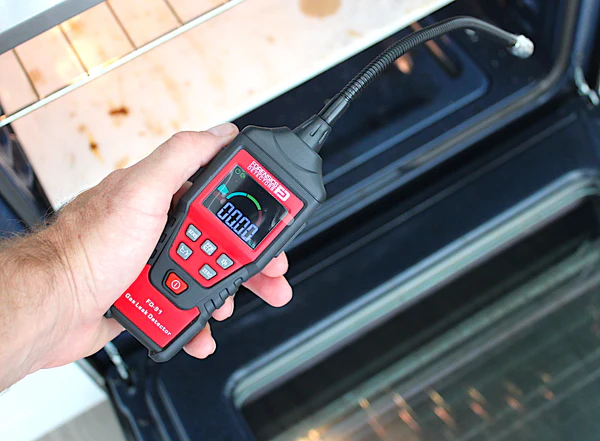
In recent years, the importance of safety in residential and commercial spaces has gained heightened attention, particularly when it comes to managing hazardous materials such as propane. Propane, a commonly used fuel for heating, cooking, and powering appliances, can be dangerous if not monitored properly due to its flammability and potential health risks. This is where a propane leak detector comes into play—an essential device designed to identify the presence of propane gas in the air, ensuring the safety of occupants while preventing potential disasters.
As technology continues to advance, propane leak detectors now come equipped with innovative features designed to enhance reliability and ease of use. From sensitivity adjustments to smartphone connectivity, these devices offer a comprehensive solution for detecting gas leaks promptly. In this article, we will explore the functionality, benefits, and best practices for utilizing propane leak detectors, enabling readers to make informed decisions to protect their homes and businesses from the hazards of propane leaks.
Key Features of Propane Leak Detectors
Propane leak detectors have evolved significantly, incorporating advanced technology to provide reliable monitoring in both residential and commercial environments. Many of today’s models feature digital displays that indicate gas concentration levels, allowing users to understand their safety status at a glance. Additional capabilities, such as adjustable sensitivity and audible alarms, enable immediate detection of even minor leaks. Furthermore, some units offer smartphone connectivity, enabling users to receive alerts and monitor conditions remotely, thus enhancing overall safety. Investing in the best propane leak detector can provide peace of mind, ensuring your living and working spaces are protected from the dangers of propane.
Best Practices for Propane Leak Detection
To maximize safety and effectiveness, it is vital to install propane leak detectors in key areas of your property, such as near propane appliances, on ceilings, or in areas where gas may accumulate. Regular maintenance, including tests and calibration of the detectors, will ensure accurate readings. Additionally, educating all occupants about the warning signs of a propane leak—such as a distinct odor, hissing sounds, or dead vegetation—can be critical for prompt response. By combining technology with proper practices, you can significantly mitigate the risks associated with propane gas usage, assuring a safer environment for all.
In conclusion, the implementation of propane leak detectors is a pivotal step in safeguarding both residential and commercial spaces from the potentially devastating consequences of gas leaks. By investing in a high-quality detector equipped with the latest technology, users can enjoy the benefits of quick detection, remote monitoring, and user-friendly features that enhance safety. However, relying solely on these devices is not enough; adhering to best practices for installation, maintenance, and education about the signs of a leak is equally essential to create a comprehensive safety strategy. Together, these measures will ensure that individuals and their families can live and work in environments that prioritize health, safety, and peace of mind concerning the use of propane.