Water line repair is an essential aspect of maintaining a home’s plumbing system, ensuring that clean and safe water flows in and wastewater is effectively removed. Over time, pipes can suffer from corrosion, leaks, and blockages, leading to significant issues such as water damage, increased utility bills, and potential health hazards. Understanding the causes of water line problems and the importance of timely repair can help homeowners safeguard their properties and avoid costly repairs in the future.
This article will explore the common signs of water line issues, the processes involved in diagnosing and repairing these problems, and the preventative measures that can be taken to enhance the longevity of your plumbing system. Whether you’re a homeowner facing a potential crisis or simply looking to educate yourself about proper maintenance practices, this comprehensive guide will provide valuable insights into effective water line repair strategies.
Signs of Water Line Issues
Recognizing the signs of water line problems early on can save homeowners from significant headaches and expenses. Common indicators include unusual sounds coming from pipes, damp spots on walls or ceilings, and the presence of mold or mildew in areas where moisture should not be. Additionally, if you notice a drop in water pressure, particularly a persistent low water pressure throughout the whole house, this could signal a hidden leak or blockage in the plumbing system. By staying vigilant and addressing these signs promptly, homeowners can mitigate potential damage and ensure the efficient functioning of their plumbing systems.
Diagnosing and Repairing Water Line Problems
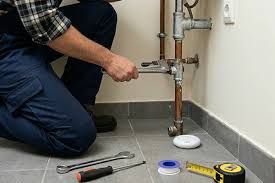
The diagnosis of water line issues typically involves a combination of visual inspections, pressure tests, and utilizing specialized equipment such as video cameras to assess the interior of pipes. Once a problem is identified, repairs can be performed using methods such as pipe relining or complete pipe replacement, depending on the extent of the damage. It is essential to consult with a professional plumber who can accurately diagnose the issue and recommend the most effective repair solutions. Implementing preventative measures, such as routine maintenance and monitoring, will also help extend the life of your plumbing system and reduce the risk of future water line problems.
In conclusion, promptly addressing water line issues is crucial for maintaining the integrity and functionality of your plumbing system. By being attuned to the signs of potential problems, effectively diagnosing issues with the help of professionals, and implementing preventative measures, homeowners can greatly reduce the risks associated with faulty water lines. Regular inspections and maintenance not only enhance the efficiency of water delivery and waste removal but also contribute to long-term cost savings and peace of mind. Taking proactive steps today will ensure that your home remains a safe and comfortable environment for years to come.