
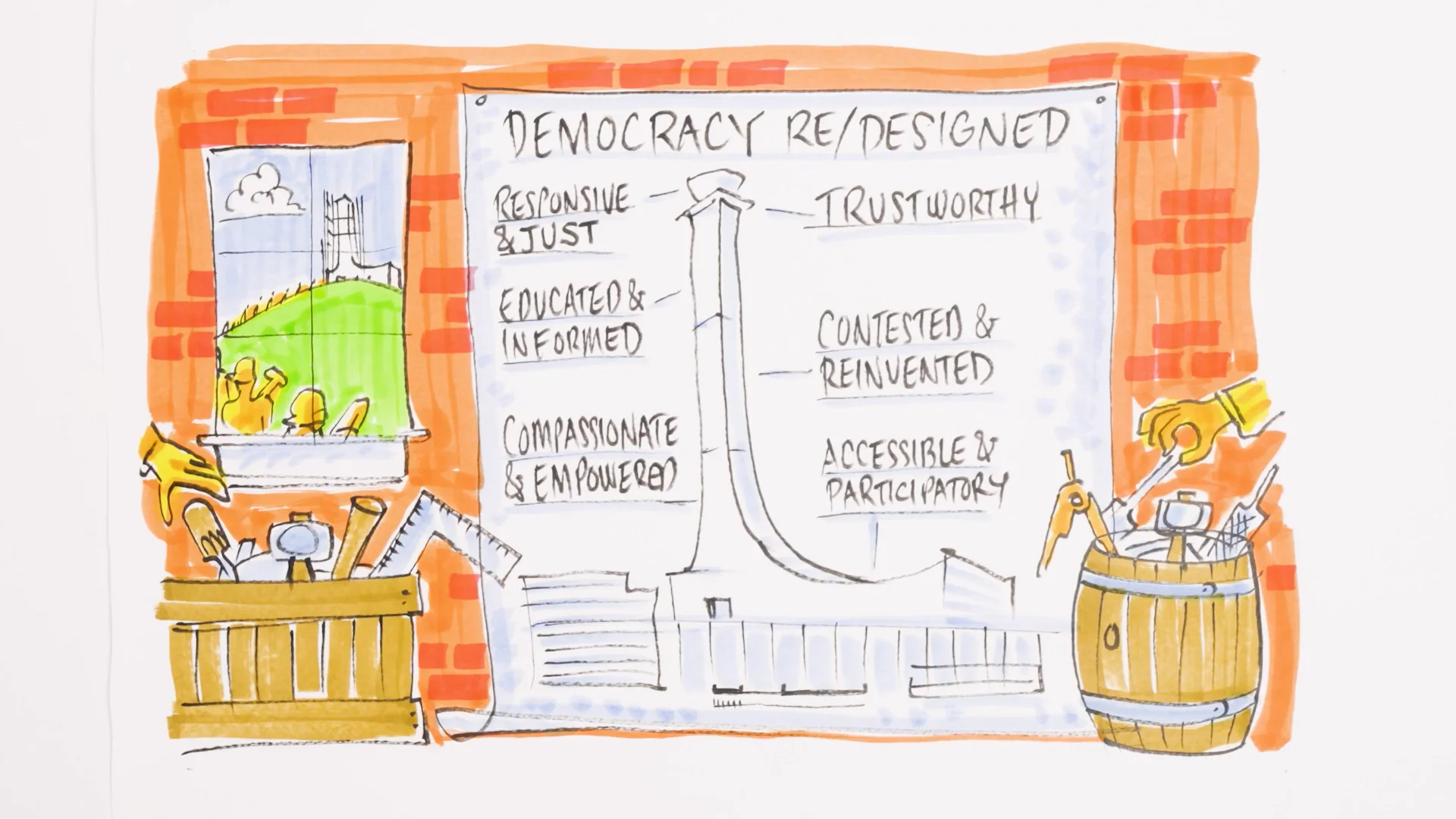
Democracy is more than a political system; it is a foundational principle that influences the fabric of society, shaping how we interact, engage, and exercise our rights and responsibilities as citizens. In order for democratic ideals to flourish, effective leadership is essential. This article explores the critical intersection of democracy and leadership training, highlighting how empowering individuals with the skills and knowledge to lead can strengthen democratic institutions and foster active participation in civic life.
In a world increasingly characterized by polarization and challenges to democratic norms, leadership training emerges as a pivotal tool for cultivating informed, responsible leaders who can drive positive change. By equipping potential leaders with practical skills, ethical frameworks, and a deep understanding of democratic principles, we can inspire a new generation to champion justice, inclusivity, and transparency. Join us as we delve into the importance of leadership training in nurturing vibrant democratic societies and the myriad benefits it offers to communities at large.
The Role of Effective Leadership in Strengthening Democracy
Effective leadership serves as a cornerstone in the preservation and advancement of democratic values. Leaders equipped with strong communication skills, ethical decision-making capabilities, and a commitment to inclusivity can bridge divides and foster a sense of community among diverse populations. By prioritizing training programs that emphasize democratic engagement, organizations can help individuals harness their potential to lead with empathy and compassion, ultimately enriching the democratic process. Initiatives like those found at cedal.org provide essential resources and frameworks for cultivating these crucial leadership skills, ensuring that emerging leaders are well-prepared to address contemporary societal challenges.
Empowerment Through Leadership Training
Leadership training empowers individuals to participate actively in civic life, cultivating not only personal growth but also community enhancement. Programs focusing on democratic principles emphasize the importance of civic responsibility and encourage participants to become informed advocates for social change. By fostering critical thinking and collaborative problem-solving, such training equips future leaders to navigate the complexities of modern governance. Ultimately, this empowerment leads to a more engaged citizenry, where individuals are motivated to defend democratic ideals and contribute to the collective good.
In conclusion, the synergy between democracy and leadership training is vital for fostering resilient democratic societies. As we face evolving challenges, investing in leadership development rooted in democratic principles will cultivate informed, compassionate leaders who are equipped to navigate complexities and bridge societal divides. By instilling a deep sense of civic responsibility and promoting active participation, we can empower individuals not only to advocate for their communities but also to uphold and advance the core values of democracy. Ultimately, leadership training emerges as a cornerstone for not just nurturing capable leaders, but also fortifying the very ideals that sustain democratic governance, ensuring that citizens remain engaged and committed to shaping a just and equitable society for all.